Wholesale Tire Safety Guide
A practical inspection, receiving, handling, and storage guide for dealers, fleets, distributors, and tire importers.
Wholesale tire safety starts with a written specification and continues through inspection, loading, receiving, storage, and final fitment. Buyers should confirm their own legal, vehicle, and destination-market requirements before resale or installation.
New and used tires require different checks. New tires must match the ordered manufacturer specification. Used lots must also match the agreed category, grade, condition, and acceptance standard documented before dispatch.
- Used tire review
- Tread, casing, bead, sidewall
- New tire review
- Size, specification, markings
- Receiving record
- Count, photos, documents
- Order minimum
- 1,500 tires total
What you need to know
Tread and wear
Used tire lots should be checked against the tread range and quality grade confirmed in the order, with attention to uneven wear and visible damage.
- Measure at multiple points
- Check shoulder and center wear
- Separate tires outside the agreed grade
Casing and inner liner
Inspect the complete casing inside and outside. Look for separations, exposed material, severe deformation, contamination, and damage that may affect serviceability.
- Use adequate lighting
- Review previous repairs
- Quarantine uncertain casings
Bead and sidewall
Beads and sidewalls can be damaged during removal, handling, or transit. Inspect before resale or mounting.
- Check both bead areas
- Look for cuts, bulges, and cracking
- Do not accept hidden damage based on tread alone
Markings and age information
Record visible sidewall markings and available manufacturing-date information. Acceptance rules can differ by buyer, tire type, and importing country.
- Match size and service description
- Check required date information
- Confirm destination rules before purchase
Pressure and fitment
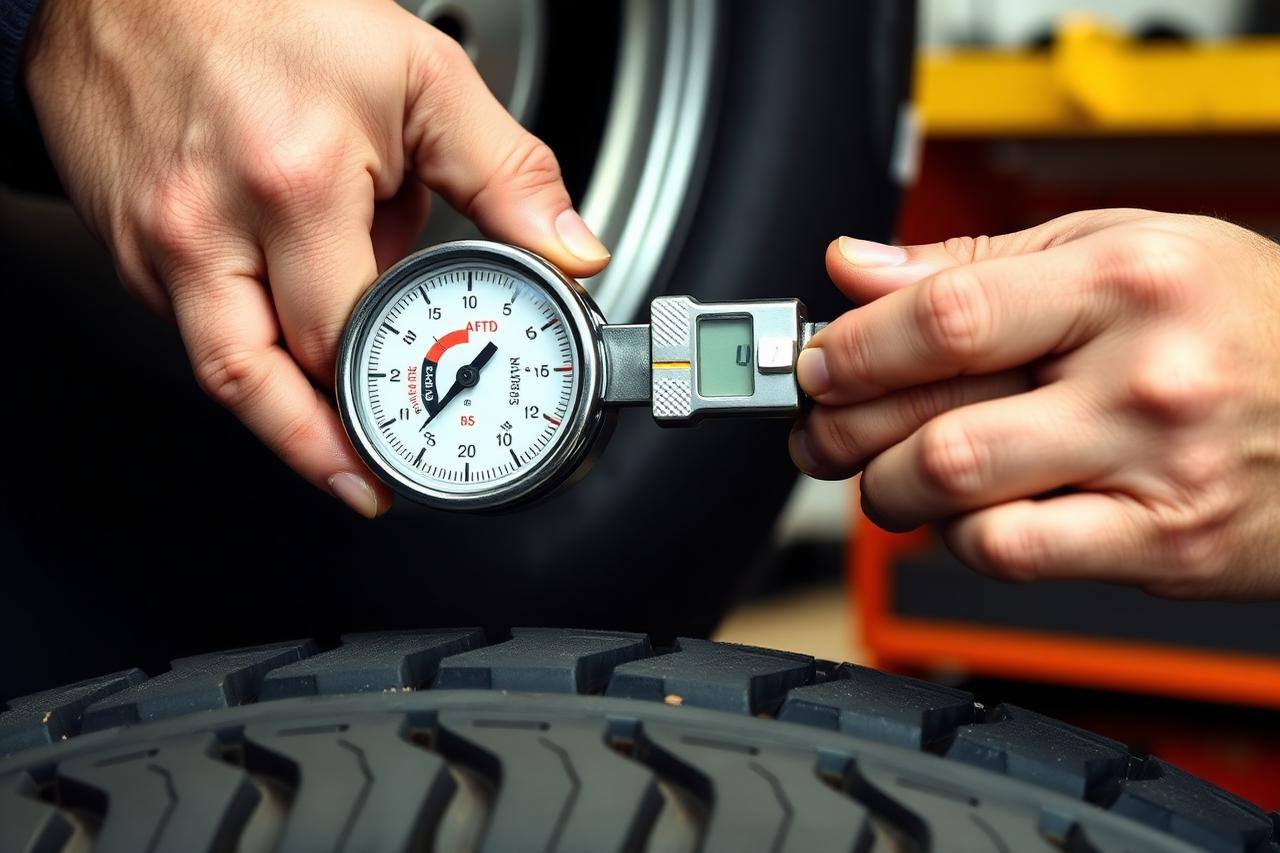
Inflation and fitment decisions belong to the vehicle, wheel, tire manufacturer, and qualified installer, not the container packing list.
- Use the approved cold inflation pressure
- Match wheel and tire specifications
- Never use sidewall maximum pressure as a universal setting
Storage and handling
Store tires in a clean, dry, ventilated location away from direct sunlight, excessive heat, ozone sources, oils, solvents, and sharp surfaces.
- Keep inventory organized by size and lot
- Avoid damaging beads during movement
- Rotate warehouse stock using documented dates
A documented receiving process
- 1
Check the seal
Record container or trailer condition, seal number, and visible freight damage before unloading.
- 2
Count and compare
Compare received quantities, categories, and size lines with the packing list and invoice.
- 3
Inspect a controlled lot
Apply your written receiving procedure and separate any tire requiring further review.
- 4
Document differences
Photograph labels, tire markings, damage, and packaging, then report issues promptly under the written order terms.
Warehouse receiving checklist
- Container, trailer, and seal condition recorded
- Packing list matched to received count
- Sizes and categories separated by order line
- Used tire grades checked against written terms
- New tire labels and sidewall markings verified
- Freight damage photographed before handling
- Questionable tires quarantined from sale or fitment
- Receiving records linked to the invoice and lot reference

Quality control
Inspect the whole tire, not only the tread
A consistent process protects buyers, inventory teams, and end customers while keeping lot acceptance tied to written standards.
Condition
Tread, casing, bead, sidewall, and visible repairs.
Specification
Size, category, grade, load data, and order line.
Shipment
Counts, loading record, seal, packing list, and damage.
Storage
Identification, environment, handling, and stock rotation.
Stop and review
Warning signs that require separation
Do not move a questionable tire into saleable inventory until it has been reviewed under your inspection procedure.
- Exposed cords, belt material, or deep cuts
- Bulges, separations, or distorted casing shape
- Bead tears, broken bead wire, or mounting damage
- Unapproved repairs or damage outside agreed standards
- Oil, chemical, fire, or severe heat contamination
- Markings that do not match the packing list or order
Need a written lot specification?
Include category, sizes, grade, excluded conditions, quantity, and destination requirements with your wholesale request.
Request a Wholesale QuoteQuestions
Frequently asked
Still have a question?
Call our wholesale team or send a quote request. We will review your sizes, quantity, destination, pricing, and availability.
Wholesale terms: This guide supports wholesale inspection and receiving procedures; it does not replace manufacturer instructions, a qualified tire inspection, or applicable laws.